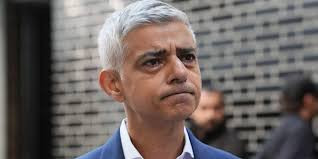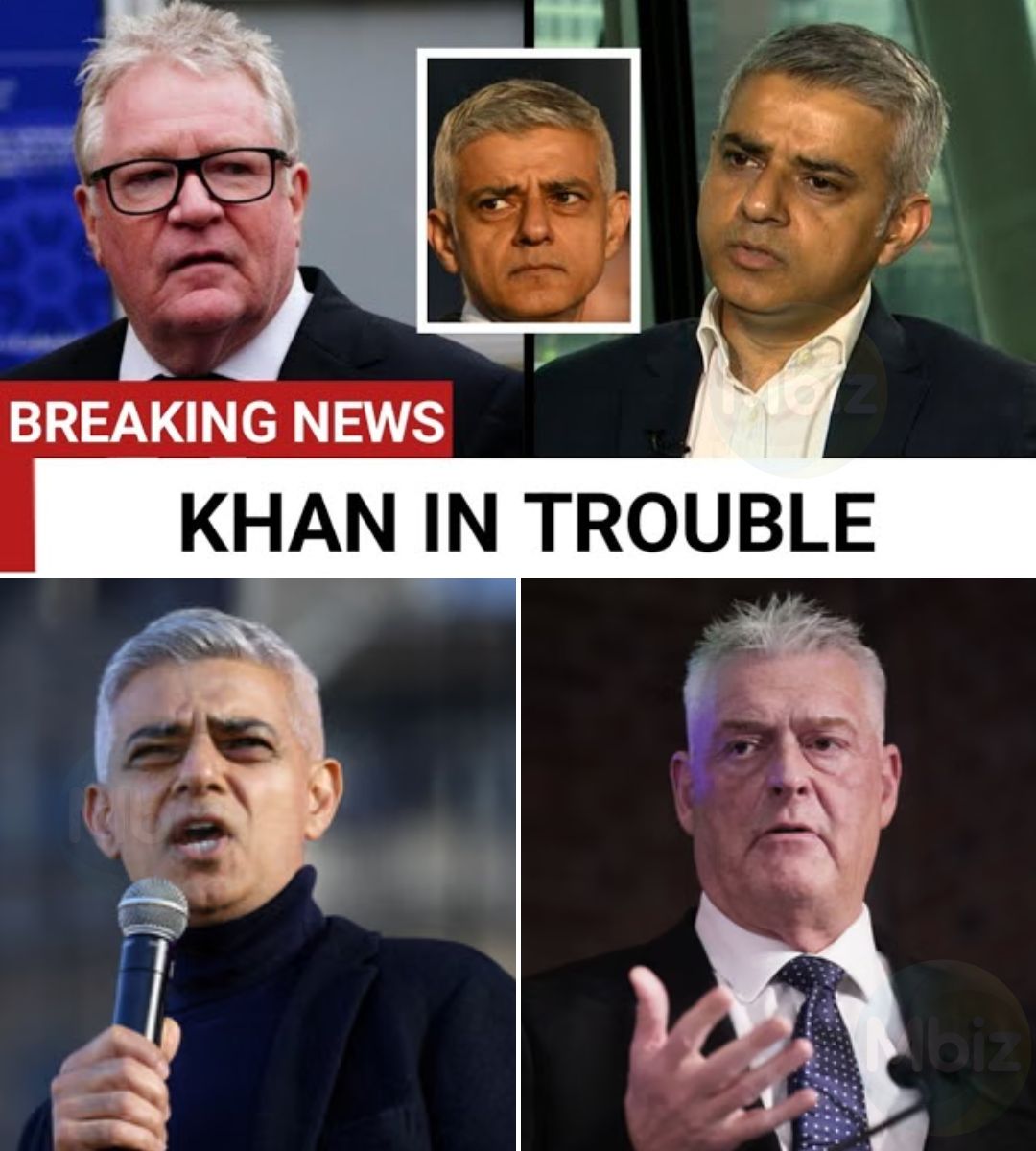
In an explosive revelation that has sent shockwaves through London’s political landscape, comedian Jim Davidson has publicly condemned Mayor Sadiq Khan, unleashing a torrent of criticism that has ignited intense debate across social media platforms. During a recent interview, Davidson expressed his disdain for Khan’s leadership, calling him “arrogant” and suggesting that the mayor has lost touch with ordinary Londoners. This candid moment has resonated deeply with many residents, sparking a national conversation about the disconnect between political rhetoric and the lived experiences of citizens in the capital.
 Davidson’s comments were made during a segment of his online show, where he discussed the stark transformation of London. He lamented the city’s decline, stating, “We used to walk through London and feel proud. Now people are scared to even speak their minds without being labeled or judged.” This stark observation hit hard, capturing the frustrations of a populace that feels increasingly unheard by those in power.
His remarks quickly gained traction online, with hashtags like #JimDavidson and #SadiqKhan trending as viewers engaged in heated discussions. Many echoed Davidson’s sentiments, asserting that the mayor’s policies have alienated the very people he is supposed to serve. Comments poured in, with one Twitter user stating, “Finally, someone said what we’ve all been thinking. London’s not the same, and no one in power seems to care.”
In response, a spokesperson for Khan’s office maintained a calm demeanor, asserting that the mayor remains focused on creating a “safer, greener, and fairer London.” However, this response was perceived by many as dismissive, failing to address the underlying public discontent that Davidson so boldly articulated.
The crux of Davidson’s critique lies in the widening chasm between political narratives and the realities faced by everyday Londoners. While Khan promotes visions of progress, residents grapple with rising crime rates, soaring living costs, and a sense of disconnection from their leaders. Davidson’s assertion, “You can’t keep taxing people who are already struggling and then call it progress,” resonated deeply, encapsulating the frustrations of many who feel squeezed by policies that seem detached from their struggles.
Political commentators have begun to weigh in on the situation, noting that Davidson’s voice, while rooted in entertainment, reflects a growing sentiment among voters. One journalist remarked, “This isn’t about Davidson versus Khan. It’s about the feeling that London’s leadership doesn’t listen anymore.” This sentiment underscores a critical turning point in the relationship between the government and its constituents.
Interestingly, Davidson’s remarks have prompted introspection within political circles. A Labor insider cautioned against underestimating the comedian, suggesting that when public figures articulate voter frustrations, politicians must take heed. This recognition of Davidson’s influence signals a potential shift in how leaders engage with the public’s concerns moving forward.
Davidson has not shied away from the controversy; in a follow-up segment, he reiterated that his comments were not personal attacks but rather an honest reflection of public sentiment. He emphasized the importance of free speech, stating, “If people can’t tell their leaders how they feel without being shouted down, then something’s broken.” This declaration has broadened the conversation, linking political discourse to fundamental issues of freedom and expression.
As the dust settles, the implications of Davidson’s comments remain profound. While Khan maintains a degree of popularity, the growing chorus of discontent suggests that public sentiment is shifting. Londoners are demanding transparency, empathy, and authentic leadership—qualities they feel are currently lacking.
The critical question now is whether Sadiq Khan will address the concerns raised by Davidson and the public at large. Will he engage with the voices that are echoing through the streets of London, or will he continue to operate within the confines of city hall, potentially risking further alienation? The stakes are high, and the conversation surrounding London’s leadership has irrevocably changed, leaving many eager to see how this unfolding drama will play out.